If you are thinking about living near one of Chicago’s most recognizable landmarks, Wrigleyville likely catches your attention fast. It offers a lifestyle that feels energetic, walkable, and deeply tied to the rhythm of the city, but it also comes with tradeoffs that are important to understand before you move. If you want a clear picture of what daily life is really like here, this guide will help you decide whether Wrigleyville fits your pace. Let’s dive in.
Wrigleyville at a Glance
Wrigleyville is generally considered a sub-neighborhood of Lake View, and that bigger context matters. While Wrigley Field gives the area its identity, the surrounding Lake View community adds the everyday residential feel that makes the neighborhood more than a game-day destination.
In simple terms, Wrigleyville blends entertainment energy with regular city living. You are not choosing a quiet pocket removed from activity. You are choosing a lively North Side setting where sports, dining, transit, and dense housing all shape the experience.
The Neighborhood Feel
Living in Wrigleyville means being close to the action. Wrigley Field has anchored the neighborhood since 1916, and the Cubs remain a major part of the local atmosphere year after year.
That influence shows up in daily life. The area is known for its bars, restaurants, and steady stream of visitors, but it is not only a nightlife district. Residents also benefit from the broader Lake View setting, which is known for walkability and access to everyday conveniences.
If you enjoy an active environment, Wrigleyville can feel exciting and convenient. If you prefer calm streets and minimal noise, the stadium-centered energy may feel like a bigger factor in your routine.
What Everyday Living Feels Like
One of the biggest misconceptions about Wrigleyville is that it only comes alive during baseball season. In reality, it functions as a full residential area within Lake View, with people renting, owning, commuting, and building daily routines around the neighborhood.
That said, Wrigley Field is always part of the backdrop. On event days, you can expect more people, more traffic pressure, and a different street-level feel than you would find in a quieter part of the city.
For many residents, that is part of the appeal. For others, it is something to manage carefully by choosing a home a block or two farther from the ballpark while still staying in the neighborhood.
Housing in Wrigleyville
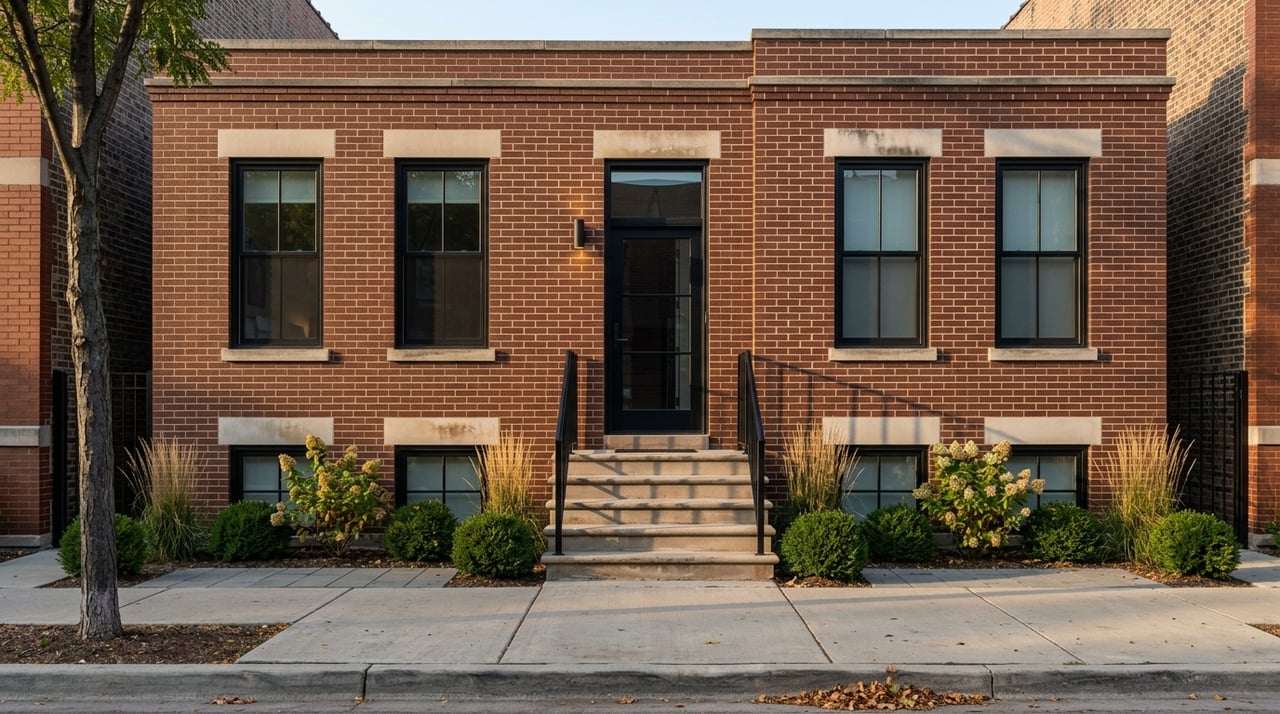
Wrigleyville and the surrounding Lake View area offer a housing mix that feels very Chicago. Rather than one dominant home type, you will find a combination of older walk-ups, courtyard-style buildings, smaller multifamily properties, and larger condo or apartment buildings.
Lake View housing data helps paint the picture. In the broader community area, 49.4% of housing units are in buildings with 20 or more units, while 14.8% are in 3-to-4-unit buildings and 15.0% are in 5-to-9-unit buildings.
The housing stock also has history. About 35.3% of homes in Lake View were built before 1940, and the median year built is 1962, which helps explain the mix of older character and mid-century density that many buyers and renters notice right away.
Renting vs. Owning
Wrigleyville tends to appeal to both renters and buyers, but the broader Lake View numbers show a renter-heavy market. In Lake View, 62.6% of occupied housing units are renter-occupied, while 37.4% are owner-occupied.
That balance gives the area a flexible feel. If you are testing out city living, renting may offer an easier entry point. If you want to own in a neighborhood with strong transit access and a distinct identity, condos and multifamily options are a major part of the local housing conversation.
The area is dense, active, and built for people who value location and convenience. That can make it especially appealing if you want easy access to the rest of Chicago without relying heavily on a car.
Who Lives Here
Lake View has a population of 101,163 as of 2023, and the average household size is 1.8. The area also skews younger than Chicago overall, with a median age of 32.2.
Nearly 45.6% of residents are between ages 20 and 34, and 50.8% of households are one-person households. At the same time, 29.6% of households are family households, which shows that the neighborhood includes a range of lifestyles rather than serving only one type of resident.
For you, that means Wrigleyville may feel especially comfortable if you want a social, urban environment with a strong mix of singles, couples, and longer-term residents. It is active and dense, but it is not one-dimensional.
Transit Is a Major Advantage
One of Wrigleyville’s strongest selling points is how easy it is to get around. The CTA Red Line provides 24-hour service, and the Addison station directly serves the Wrigley Field area.
The Addison Red Line station is accessible and connects with CTA bus routes #152 Addison and #22 Clark. It also includes indoor and sheltered bike parking, which adds another layer of convenience for residents who prefer multiple commuting options.
This kind of access makes car-free living realistic for many households. In the broader Lake View area, 40.4% of households have no vehicle available, which says a lot about how workable transit-based living can be here.
Commuting and Car-Free Living
Wrigleyville fits well with an urban routine. In Lake View, 32.3% of workers commute by transit, 34.0% work from home, and 6.6% walk or bike.
Those numbers reflect a neighborhood where train access, bus service, and walkability truly matter. The average commute time is 34.1 minutes, which is consistent with a dense Chicago neighborhood where public transportation is part of everyday life.
If you want the option to skip regular car use, Wrigleyville stands out. The tradeoff, of course, is that event days can create extra crowding and transportation pressure around the stadium.
The Game-Day Tradeoff
This is the biggest lifestyle factor to think through before making a move. The closer you live to Wrigley Field, the more likely you are to feel the effects of Cubs games and other events.
That can mean heavier foot traffic, more noise, and busier streets. Some people love that buzz and choose Wrigleyville because of it. Others prefer a little separation, even if they still want to stay nearby for the convenience and character of the area.
Neither preference is right or wrong. It simply comes down to how you want your home environment to feel on a typical evening, weekend, or event day.
Dining, Entertainment, and Walkability
Wrigleyville is known for lively sports bars and a growing restaurant scene. That makes it appealing if you like being able to step out and have options close to home.
The larger Lake View area adds even more to that experience, including shopping corridors and access to lakefront recreation farther east. In practical terms, you get a neighborhood that can support both fun nights out and everyday errands without requiring much travel.
For many buyers and renters, that mix is the real draw. Wrigleyville gives you a recognizable Chicago address, but it also gives you access to the broader benefits of Lake View living.
Is Wrigleyville a Good Fit for You?
Wrigleyville can be a great fit if you want a neighborhood that feels connected, active, and easy to navigate without a car. It works especially well for people who value transit access, apartment or condo living, and being close to restaurants, entertainment, and the energy of the North Side.
It may be less ideal if your top priority is peace and quiet at all times. The neighborhood’s biggest strength is also its biggest consideration: Wrigley Field shapes the local experience in a very real way.
The best move is to think honestly about your lifestyle. If you want convenience and character, Wrigleyville has a lot to offer. If you want the same general area with a little more distance from the stadium, nearby parts of Lake View may be worth exploring too.
If you are weighing where to live in Chicago or trying to decide how a neighborhood’s pace fits your goals, having the right guidance makes a big difference. The Lisa Wolf Team brings a polished, hands-on approach to helping buyers and sellers make confident moves across Chicagoland.
FAQs
What is Wrigleyville like for daily living in Chicago?
- Wrigleyville offers a lively, walkable, transit-friendly lifestyle with restaurants, bars, dense housing, and the constant influence of Wrigley Field as part of daily life.
Is Wrigleyville in Lake View Chicago?
- Yes. Wrigleyville is generally considered a sub-neighborhood within the broader Lake View community area.
Is Wrigleyville a good neighborhood for renters?
- It can be a strong option if you want apartment or condo living, easy transit access, and an active neighborhood feel. Lake View is renter-heavy, with 62.6% of occupied housing units renter-occupied.
Can you live in Wrigleyville without a car?
- Yes, many residents can. The area is served by the CTA Red Line, bus routes, and bike facilities, and 40.4% of Lake View households have no vehicle available.
What types of homes are common in Wrigleyville?
- The area is known for a mix of older walk-ups, courtyard-style buildings, smaller multifamily properties, and larger condo or apartment buildings.
What is the biggest downside of living near Wrigley Field?
- The main tradeoff is event-day activity, which can bring more noise, crowds, and traffic pressure, especially the closer you are to the ballpark.