Thinking about buying a condo or townhome in Logan Square? You are not alone, and for good reason. This part of Chicago offers a distinctive attached-home experience shaped by historic low-rise buildings, strong transit access, and a neighborhood layout where details like association health, parking, and building age can matter just as much as square footage. If you want to shop smarter and avoid surprises, this guide will help you focus on what really matters. Let’s dive in.
Why Logan Square Feels Different
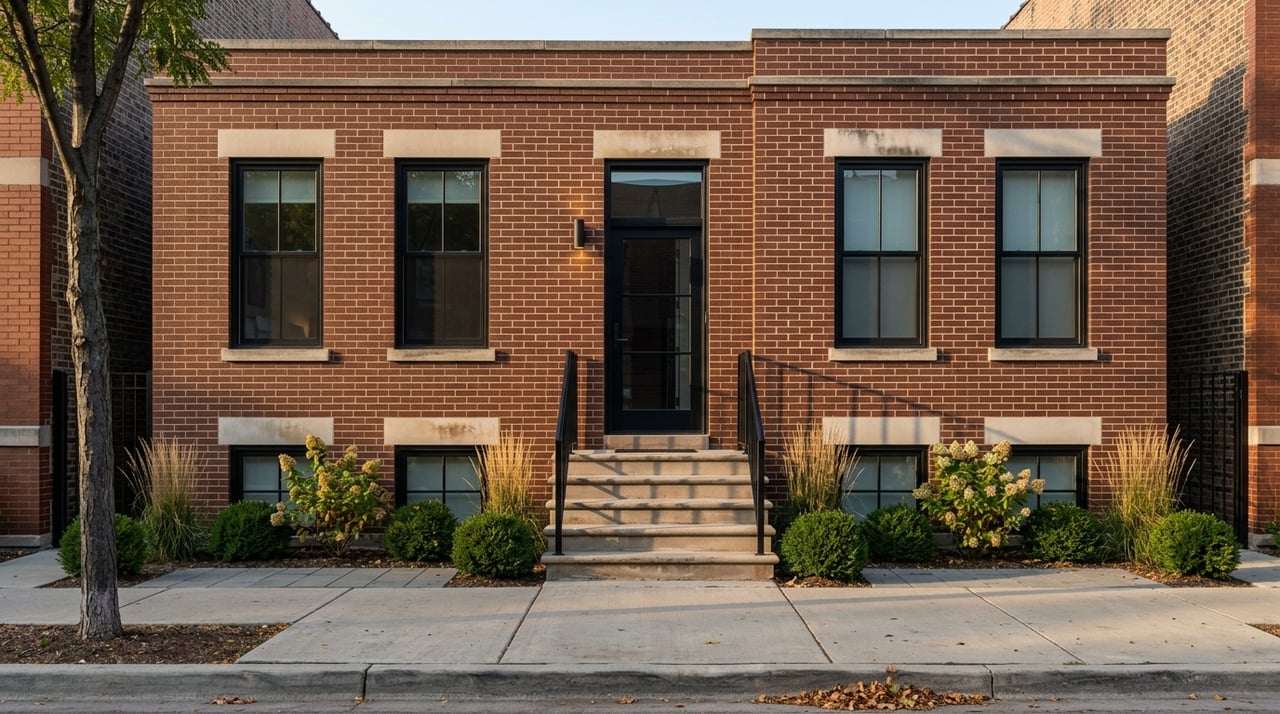
Logan Square stands out from many condo markets because its housing stock is closely tied to Chicago’s older residential history. In the landmarked boulevard district centered on Logan and Palmer Squares, many buildings were built between 1880 and 1930. That older building fabric helps explain why attached-home buyers here often find character-rich, low-rise homes instead of large condo towers.
In practical terms, your search may include two-flats, three-flats, greystones, courtyard buildings, and condo conversions. Townhome-style homes exist too, but they tend to show up more as selective infill rather than the dominant property type. If you like the idea of an urban home with personality and without a high-rise feel, Logan Square can be especially appealing.
What You Are Likely to See
Vintage condos and conversions
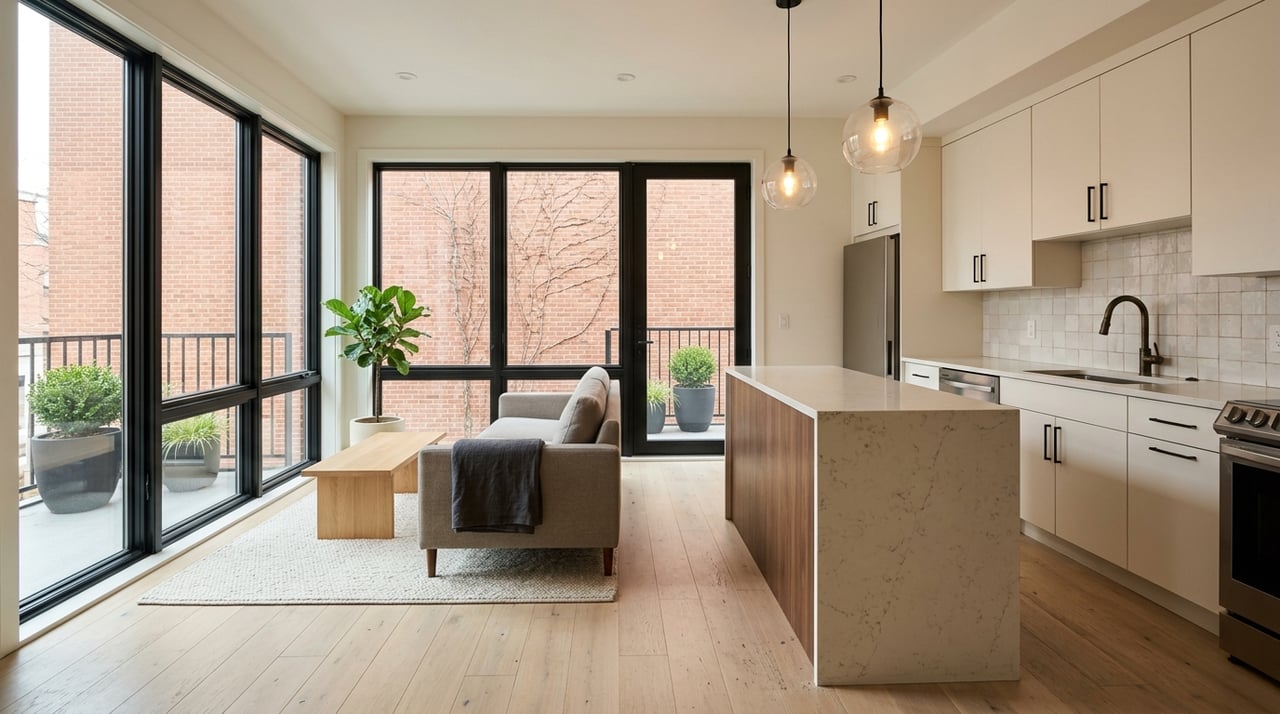
Many attached homes in Logan Square reflect classic Chicago building types. That can mean vintage masonry construction, original layouts, and a wider range of finishes from one building to the next. Two homes with similar square footage may feel very different depending on ceiling height, storage, updates, and natural light.
This is one reason buyers in Logan Square often need to look beyond the headline numbers. A beautifully updated unit in an older building may offer more day-to-day appeal than a larger home with awkward flow or dated systems. In this neighborhood, layout quirks and finish quality can carry real weight.
Townhomes as a more limited option
If you are specifically looking for a townhome, expect a narrower selection than you might find in neighborhoods built around newer attached developments. Logan Square tends to be more rooted in older low-rise housing. That means townhome buyers may need patience, flexibility, or a willingness to compare nearby areas as well.
Condo Association Review Matters Here
If you are buying a condo, association due diligence is a major part of the decision. In Illinois, the Condominium Property Act makes the annual budget and reserve fund important documents for buyers to review. The law also requires annual accounting to unit owners and allows special assessments, which is why the financial side of a building deserves close attention.
For budgets adopted on or after July 1, 1990, the Act requires funding for future capital spending and deferred maintenance. That matters in any condo building, but it can feel especially important in Logan Square where many buildings are older. Shared building components may need periodic work, and buyers should understand whether the association appears prepared for that.
Key questions to ask about the association
Before you move forward, ask for clarity on the building’s financial and maintenance picture. Useful questions include:
- Is there a current reserve study?
- How much money does the association have in reserves?
- Have there been recent special assessments?
- Are any major capital projects already planned?
- What does the association’s insurance cover?
- How has the building handled deferred maintenance?
These questions are not just box-checking. They can help you understand whether monthly dues are supporting long-term building health or whether future costs may be more likely.
Why special assessments deserve attention
Special assessments are not unusual in condo ownership, but you should know how they fit into the building’s broader financial picture. IDFPR explains that if a board-adopted special assessment pushes the total of regular plus special assessments above 115% of the prior year, owners can petition and the association must hold a meeting to consider rejection.
For you as a buyer, the larger takeaway is simple. Reserve strength and assessment history are core diligence items, not small print. In older low-rise buildings, that review can be especially helpful when you are comparing one property against another.
Older Buildings Can Be a Strength and a Responsibility
Logan Square’s older housing stock is a big part of its appeal. You may find attractive masonry exteriors, established architectural character, and homes that feel different from newer, more uniform developments. That charm is often exactly what draws buyers in.
At the same time, older buildings can bring more variation in upkeep, systems, and common-element needs. Roofs, masonry, and mechanicals may require periodic attention at the building level. That does not make an older condo a bad choice, but it does mean you should evaluate condition and association planning with care.
Transit Is a Major Advantage
For many buyers, one of Logan Square’s strongest lifestyle features is transit access. The CTA Blue Line provides 24-hour rapid transit between O’Hare and Forest Park by way of downtown, and Logan Square has a station on the line. The station is also listed as accessible.
If you want a more car-light routine, this can be a meaningful advantage. Easy rail access can influence how you think about location, daily convenience, and even whether you truly need dedicated parking. For some buyers, Blue Line proximity is one of the biggest reasons to choose Logan Square over other attached-home markets.
Parking Can Change the Equation
Transit is a plus, but parking deserves its own review. In Chicago, residential parking zones are block-specific and sign-based. The city notes that residential parking zones are established by City Council legislation, and some are posted for all times while others apply only on certain days or hours.
To use permit parking, the permit zone on a vehicle sticker or daily pass must match the zone listed on the block’s sign, and residents must prove address eligibility. In real life, that means parking convenience can vary a lot from one block to another. If you drive regularly, a deeded parking spot or garage space may be more valuable than it first appears.
When parking should be a top priority
Parking may deserve extra attention if:
- You commute by car most days
- You have more than one vehicle in your household
- You often return home late
- You prefer not to manage guest passes or zone rules
- You want a more predictable daily routine
For buyers who rarely drive, parking may feel less important. For others, it can be one of the biggest quality-of-life factors in the purchase.
How to Compare Logan Square With Nearby Areas
Many buyers who search Logan Square also compare nearby Northwest Side neighborhoods. City district groupings place Logan Square in a broader network that includes Bucktown, Wicker Park, Avondale, Humboldt Park, and West Town in one district context, and Logan Square with Humboldt Park, Hermosa, and Avondale in another. That makes crossover shopping a natural part of the process.
A useful way to think about it is by housing feel and daily lifestyle. Logan Square offers historic low-rise building types and strong Blue Line access. Buyers looking for a denser retail-corridor feel may also look at Bucktown or Wicker Park, while buyers who want a more residential attached-home search may compare Avondale or Humboldt Park.
A simple comparison lens
| Area | General attached-home feel |
|---|---|
| Logan Square | Historic low-rise homes with strong Blue Line access |
| Bucktown/Wicker Park | Denser retail-corridor feel for nearby comparison |
| Avondale/Humboldt Park | More residential attached-home search comparison |
This lens is helpful because it keeps your search grounded in daily experience, not just listing photos. The right fit often comes down to the building type, your commute, and the kind of neighborhood rhythm you want.
Smart Tips for Buying in Logan Square
When you are evaluating a condo or townhome here, try to balance charm with practical review. It is easy to fall in love with exposed brick, vintage details, or a great boulevard location. It is just as important to understand the building’s finances, planned projects, and how the home functions for your real routine.
A few smart habits can help:
- Review condo documents early
- Compare monthly dues alongside reserve strength
- Ask detailed questions about recent and planned capital work
- Verify parking details instead of assuming street parking will be easy
- Consider whether transit access changes what you need from the property
- Look closely at layout, storage, and finish quality, not just size
The best purchase is usually the one that fits both your lifestyle and the building’s long-term health. In Logan Square, that balance matters.
The Bottom Line on Buying Here
Buying a condo or townhome in Logan Square can be a great fit if you want classic Chicago character, low-rise living, and strong transit access. It is a neighborhood where the details matter, from association reserves to parking to the realities of older building stock. When you understand those factors upfront, you can shop with more confidence and make cleaner comparisons.
If you are planning a move in Logan Square or comparing nearby Chicago neighborhoods, the right guidance can make the process feel much more manageable. The Lisa Wolf Team is here to help you evaluate your options, navigate the details, and move forward with clarity.
FAQs
What types of condos are common in Logan Square?
- Logan Square buyers often find low-rise attached homes such as condo conversions, two-flats, three-flats, greystones, and courtyard buildings rather than large condo towers.
What should condo buyers review in Logan Square association documents?
- You should review the annual budget, reserve funding, accounting records, assessment history, insurance coverage, and any planned capital projects.
Why do reserves matter when buying a Logan Square condo?
- Reserves help show whether an association is preparing for future capital spending and deferred maintenance, which is especially important in older buildings.
Is parking difficult for condo owners in Logan Square?
- Parking can vary by block because Chicago residential parking zones are sign-based and block-specific, so a deeded space or garage spot can be an important convenience.
Is Logan Square a good fit for buyers who use public transit?
- Logan Square offers strong transit access because the CTA Blue Line provides 24-hour rapid transit and includes an accessible station in the neighborhood.
Should townhome buyers only search Logan Square?
- Not necessarily, because townhome-style options in Logan Square may be more limited than vintage condos, so comparing nearby neighborhoods can expand your choices.